Deep Spring Cleaning for Your Swimming Pool: A Complete Guide
When the sun begins to shine a little longer, and the air warms up, there’s one clear sign that spring has arrived—it’s pool season again! But before diving into summer fun, it’s time for a deep spring cleaning. Your swimming pool has likely been resting through winter, and now it needs a full tune-up to ensure the water is clean, balanced, and ready for safe swimming. This complete guide will walk you through every step of deep spring cleaning your pool—from prepping your equipment to testing your water chemistry—so your pool stays sparkling and stress-free all season long.
Table of Contents
Step 1: Clear Away Leaves and Debris
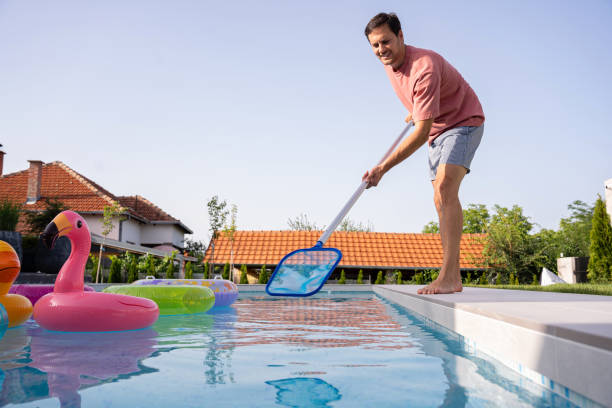
The first step in a true deep clean starts with simple visual maintenance. Grab your skimmer net and remove any leaves, twigs, and debris that may have collected on the surface or settled on the pool floor over winter. If you use a pool cover, remove it carefully so that debris doesn’t spill into the water. For stubborn dirt or algae stains, use a pool vacuum or an automatic cleaner to get the bottom spotless.
Pro tip: trim any nearby trees or bushes during this time to reduce the amount of organic material that can blow back into the pool later in the season.
Step 2: Inspect the Equipment
Before filling or topping off the pool, take a quick inventory of equipment. Check your pump, filter, and heater to confirm they’re operating efficiently. Inspect the O-rings and gaskets for cracks or brittleness that could cause future leaks. It’s also a great time to backwash your filter or clean it if it’s reusable.
If your pool uses a cartridge filter for pool cleaning instead of a sand or DE system, rinse it thoroughly with a garden hose and inspect for wear or tears. A well-maintained filter system improves circulation, and clean water always starts with good filtration.
Step 3: Brush and Vacuum Every Surface
Once your equipment is in order, it’s time for the deep clean. Brush the pool walls, steps, and floor with a stiff pool brush to remove any algae, dirt, or scale buildup that clings to surfaces. Use slow, steady strokes that push debris toward the main drain or easy-to-vacuum areas. Don’t forget the tile line, where calcium deposits can form over time.
After brushing, run the pool vacuum (manual or automatic) to sweep the pool thoroughly. This step not only helps with cleanliness but also promotes circulation once your system is running again.
Step 4: Clean the Pool Filter and Skimmer Baskets
With all that debris stirred up, your skimmers and filters are working hard to keep the water clean. Remove, empty, and rinse the skimmer baskets and pump strainer baskets before restarting your filtration system. Cleaning these small components ensures water flows efficiently throughout the pool system, preventing pressure buildup or performance issues.
For an extra hygiene boost, disinfect the baskets and covers with a mild bleach solution, then rinse them well before reinstalling.
Step 5: Check Water Levels and Refill as Needed
If your pool was covered or partially drained during winter, the water level might have dropped below normal. Use your hose to refill until the water reaches halfway up the skimmer opening. Maintaining the proper level helps the filtration system function smoothly and prevents your pump from drawing in air.
Step 6: Test and Balance the Water Chemistry
Even the cleanest-looking pool can hide problems in its water chemistry. Invest in a reliable pool testing kit or take a water sample to a local pool supply store for analysis. An ideal water balance keeps swimmers comfortable and protects your pool’s equipment.
You’ll want to monitor:
- pH levels (ideal: 7.4–7.6)
- Chlorine or sanitizer (1–3 ppm)
- Alkalinity (80–120 ppm)
- Calcium hardness (200–400 ppm)
If the readings are off, adjust gradually using pool-safe chemicals. Never mix different chemicals directly into the pool, and follow the manufacturer’s instructions closely.
Step 7: Shock the Pool for a Fresh Start
Shocking your pool means adding a large dose of chlorine or oxidizer to eliminate any lingering contaminants. Do this in the evening to prevent sunlight from reducing its effectiveness. Run your pump overnight to circulate the chemicals evenly.
After 24 hours, test the chlorine level again—wait until it returns to safe swimming levels before diving in.
Step 8: Clean Pool Accessories and Deck Area
Deep cleaning your pool shouldn’t stop at the waterline. Scrub ladders, diving boards, floats, and toys with soapy water to remove dirt and mildew. Hose down the deck area to eliminate dust or grime accumulated during winter. Keeping the surrounding area clean reduces debris falling into your freshly cleaned pool.
Step 9: Maintain a Weekly Cleaning Routine
Once your spring deep clean is complete, staying consistent with weekly maintenance will save time later. Skim debris, check water levels, and run your filtration system daily to maintain pristine water. Test chemistry weekly and adjust as needed. Regular attention prevents buildup and keeps your pool ready for a refreshing dip.
Completing a thorough deep spring cleaning sets the tone for the entire summer. By taking the time to clean surfaces, inspect equipment, and balance your water, you’ll save money on repairs and keep your pool healthier overall. A few proactive hours now can mean a season full of relaxation, laughter, and crystal-clear waters later.
So grab your cleaning tools, roll up your sleeves, and bring your swimming pool back to life—just in time for the warm weather ahead.